WHAT IS HYDROVAC EXCAVATION — COMPLETE GUIDE
WHAT IS HYDROVAC EXCAVATION?
Hydrovac excavation is a non-destructive digging method that uses pressurized water to break up soil and a powerful vacuum to extract the slurry into a debris tank. It is the safest and most precise excavation technology available for working around buried utilities.
If you have ever asked "what is hydrovac excavation?" or "what is hydrovac?" — the answer is straightforward. Hydrovac excavation replaces mechanical digging with a two-part system: high-pressure water loosens the earth, and an industrial vacuum removes the resulting mixture of water and soil. The process eliminates the single biggest risk in excavation — striking and damaging underground utilities like gas lines, fiber optic cables, electrical conduits, and water mains.
The term "hydrovac" is short for hydro vacuum excavation. You may also see it written as hydro-vac, hydrovacing, or simply vac excavation. Regardless of the spelling, the technology is the same. So what is hydrovacing, exactly? It is the act of performing hydrovac excavation on a job site — using water pressure and vacuum suction to remove soil without mechanical contact with anything buried underground.
Traditional excavation with backhoes, trenchers, and track hoes relies on metal teeth and blades to rip through the ground. That approach works in open ground with no buried infrastructure, but it is dangerously imprecise anywhere utilities exist. A single backhoe strike on a gas main can cause explosions, injuries, project shutdowns, and six-figure repair bills. Hydrovac excavation was developed specifically to solve that problem — and today it is the industry standard for non-destructive digging on any project where underground infrastructure is present.
Contractors across the United States use hydrovac excavation for potholing, utility locating, directional drilling support, pipeline exposure, cold weather excavation, and environmental cleanup. The technology is used by excavation contractors, utility companies, plumbers, municipal public works departments, oil and gas operators, and directional drilling crews. If you dig for a living, understanding what is hydrovac excavation — and how to profit from it — is no longer optional. It is essential. And with hydrovac trailers for sale available at direct manufacturer pricing, the barrier to entry has never been lower.
HOW DOES HYDROVAC WORK?
Understanding what is hydrovac excavation starts with understanding the three-step process that makes it work. Every hydrovac system — whether mounted on a hydrovac truck or a hydrovac trailer — operates on the same core principles.
STEP 1 — PRESSURIZED WATER BREAKS THE SOIL
The operator directs a stream of pressurized water at the excavation point using a handheld wand. Water pressure typically ranges from 2,000 to 4,000 PSI, depending on soil conditions. The water jet cuts through soil, clay, sand, and even frozen ground (when heated water is used), liquefying the material into a pumpable slurry. Unlike a backhoe bucket that tears blindly through everything in its path, the water stream can be precisely controlled — the operator adjusts pressure, angle, and volume in real time to match the conditions at the dig site.
STEP 2 — VACUUM EXTRACTS THE SLURRY
Simultaneously, a high-powered vacuum draws the slurry — the mixture of water and loosened soil — up through a large-diameter hose (typically 3 inches). The vacuum system in a quality hydrovac unit generates significant airflow. For example, the BossVac BV-500 produces 500 CFM at 24 inches of mercury, while the BV-1000 produces 1,000 CFM at 27 inches of mercury. This is what separates professional hydro excavation equipment from underpowered consumer units — the vacuum must be strong enough to pull heavy, saturated soil through the hose and into the tank efficiently.
STEP 3 — DEBRIS TANK COLLECTS THE MATERIAL
The slurry is deposited into a debris tank (also called a spoil tank) on the hydrovac unit. Once the tank is full, the operator transports the material to an approved disposal site or dumps it on-site if permitted. Many hydrovac units feature hydraulic tilt systems — the BossVac trailers tilt to 70 degrees — allowing fast, clean dumping without secondary equipment. This self-contained cycle means the hydrovac excavation process produces minimal site disturbance compared to traditional digging, which leaves piles of excavated dirt, requires separate hauling, and creates significantly more cleanup work.
HYDROVAC VS TRADITIONAL EXCAVATION
Once you understand what is hydrovac excavation, the next question is always: how does it compare to traditional mechanical digging? The differences are significant across every metric that matters to contractors.
| Factor | Hydrovac Excavation | Mechanical Excavation |
|---|---|---|
| Safety | Non-destructive — zero risk of utility strikes | High risk of striking gas, electric, fiber, water lines |
| Precision | Surgical — operator controls water jet in real time | Imprecise — bucket digs blindly through soil |
| Speed (Utility Areas) | Faster — no hand-digging required near utilities | Slower — requires manual hand-digging within tolerance zones |
| Utility Damage Risk | Virtually zero | Industry estimates: 1 in 1,000 digs results in a strike |
| Site Cleanup | Minimal — slurry contained in debris tank | Significant — dirt piles, hauling, site restoration |
| Frozen Ground | Heated water cuts through frost and frozen soil | Extremely difficult — often requires breakers or delays |
| Regulatory Compliance | Meets or exceeds all non-destructive digging requirements | Often restricted in utility corridors and right-of-ways |
The data is clear — hydrovac excavation is safer, more precise, and increasingly required by project specifications. Many municipalities and utility companies now mandate hydrovac excavation for any work within a defined radius of buried infrastructure. Contractors who do not offer hydrovac capability are losing bids to those who do.
COMMON HYDROVAC APPLICATIONS
What is hydrovac excavation used for in the real world? The applications are broader than most contractors realize. Here are the most common use cases driving demand for hydrovac equipment across the United States.
POTHOLING & DAYLIGHTING
The most common hydrovac application. Potholing creates small, precise test holes to visually confirm the location, depth, and condition of buried utilities before full excavation begins. Every utility locating project benefits from hydrovac — it is the only way to expose underground lines without risk of damage. This is the core of what is hydrovac excavation in daily practice for most contractors.
UTILITY LOCATING
Gas, electric, water, sewer, telecom, and fiber optic lines all require safe exposure during construction, maintenance, and repair work. Hydrovac excavation allows crews to precisely locate and expose these utilities without the catastrophic risk of a mechanical strike. This is why understanding what is hydrovac is critical for every utility contractor.
DIRECTIONAL DRILLING SUPPORT
Every horizontal directional drilling operation needs hydrovac support for entry pits, exit pits, and fluid management. Drilling fluid recovery, bore path verification, and pullback pit creation all rely on hydrovac excavation. Owning your own hydrovac equipment eliminates subcontractor scheduling delays.
PIPELINE WORK
Oil and gas pipeline construction, inspection, and repair require exposing buried pipe without mechanical contact. Hydrovac excavation is the standard method for pipeline bellhole excavation, coating inspection, cathodic protection work, and emergency line exposure. Pipeline operators across Texas, Oklahoma, Colorado, and Wyoming rely on hydrovac daily.
BOULDER & ROCKY TERRAIN
What is hydrovac excavation's advantage in rocky soil? The pressurized water can work around and between boulders, cobble, and rock formations that would jam or damage mechanical equipment. The vacuum then extracts the loosened material — including rocks and gravel — without the operator fighting the ground. For contractors working in rocky terrain, a hydrovac for boulders is the practical solution.
COLD WEATHER EXCAVATION
In northern states where ground freeze depths reach four feet or more, mechanical excavation becomes extremely difficult and slow. Hydrovac units equipped with heated water systems cut through frozen ground efficiently. Cold weather hydrovac excavation keeps projects on schedule through winter months when mechanical digging would otherwise require delays, breakers, or thermal blankets.
HYDROVAC EQUIPMENT TYPES — TRUCKS VS TRAILERS
Now that you know what is hydrovac excavation and how it is used, the next decision is choosing the right equipment. There are two primary categories of hydrovac equipment: hydrovac trucks and hydrovac trailers. The differences in cost, capability, and operational requirements are significant.
WHAT IS A HYDROVAC TRUCK?
A hydrovac truck is a full-size commercial vehicle with an integrated water system, vacuum pump, water tank, and debris tank permanently mounted on a truck chassis. Hydrovac trucks are large — typically Class 7 or Class 8 vehicles — and carry larger water and debris capacities than trailers. They are self-propelled and do not require a tow vehicle. However, what is a hydrovac truck going to cost you? The answer is $300,000 to $600,000 or more, plus mandatory CDL licensing for every operator, higher insurance premiums, and significantly more expensive maintenance. Manufacturers like Vermeer, Ditch Witch, and Badger currently have waitlists of 8 to 18 months for hydrovac trucks for sale.
HYDROVAC TRAILERS — THE SMARTER ENTRY POINT
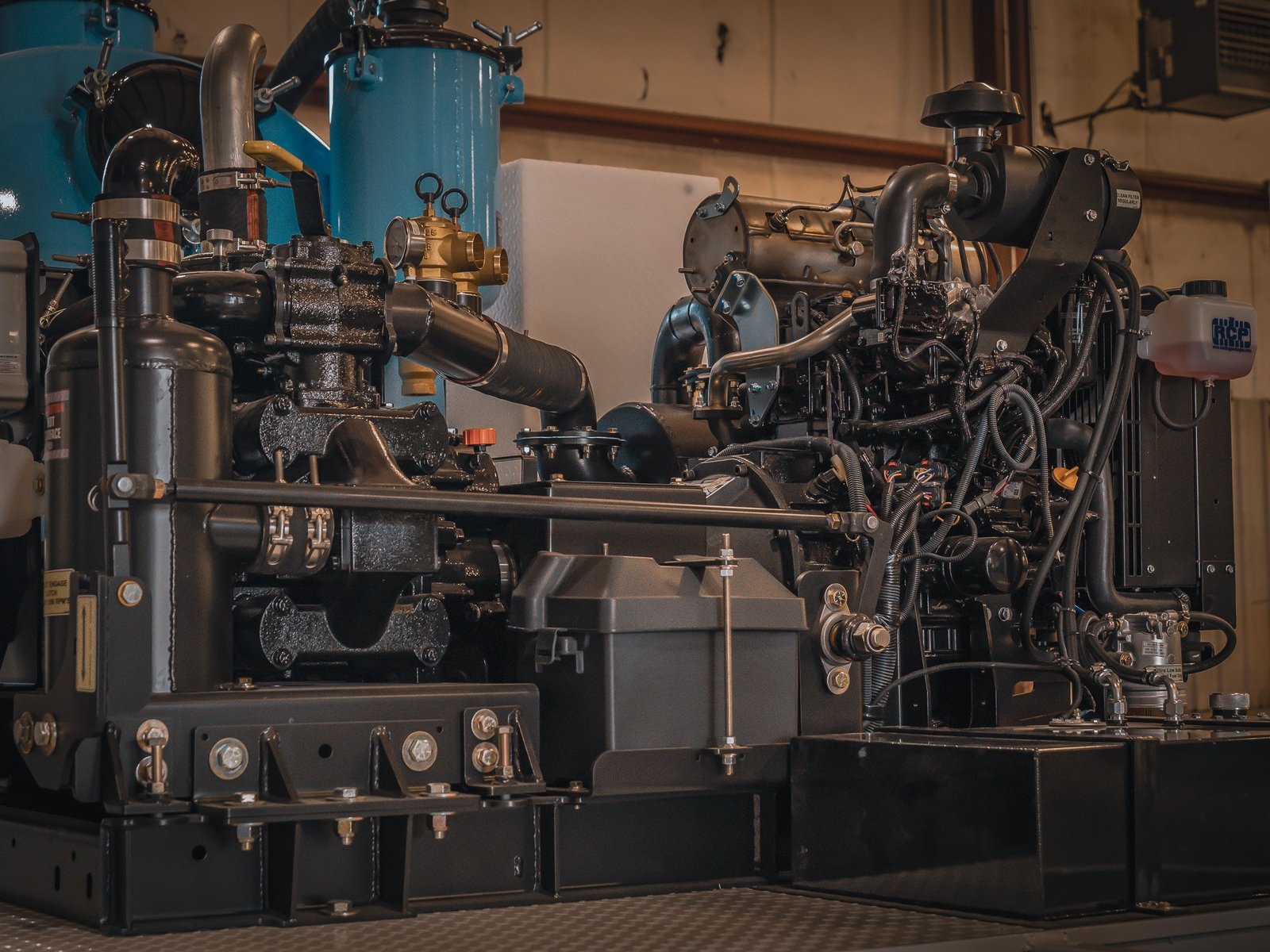
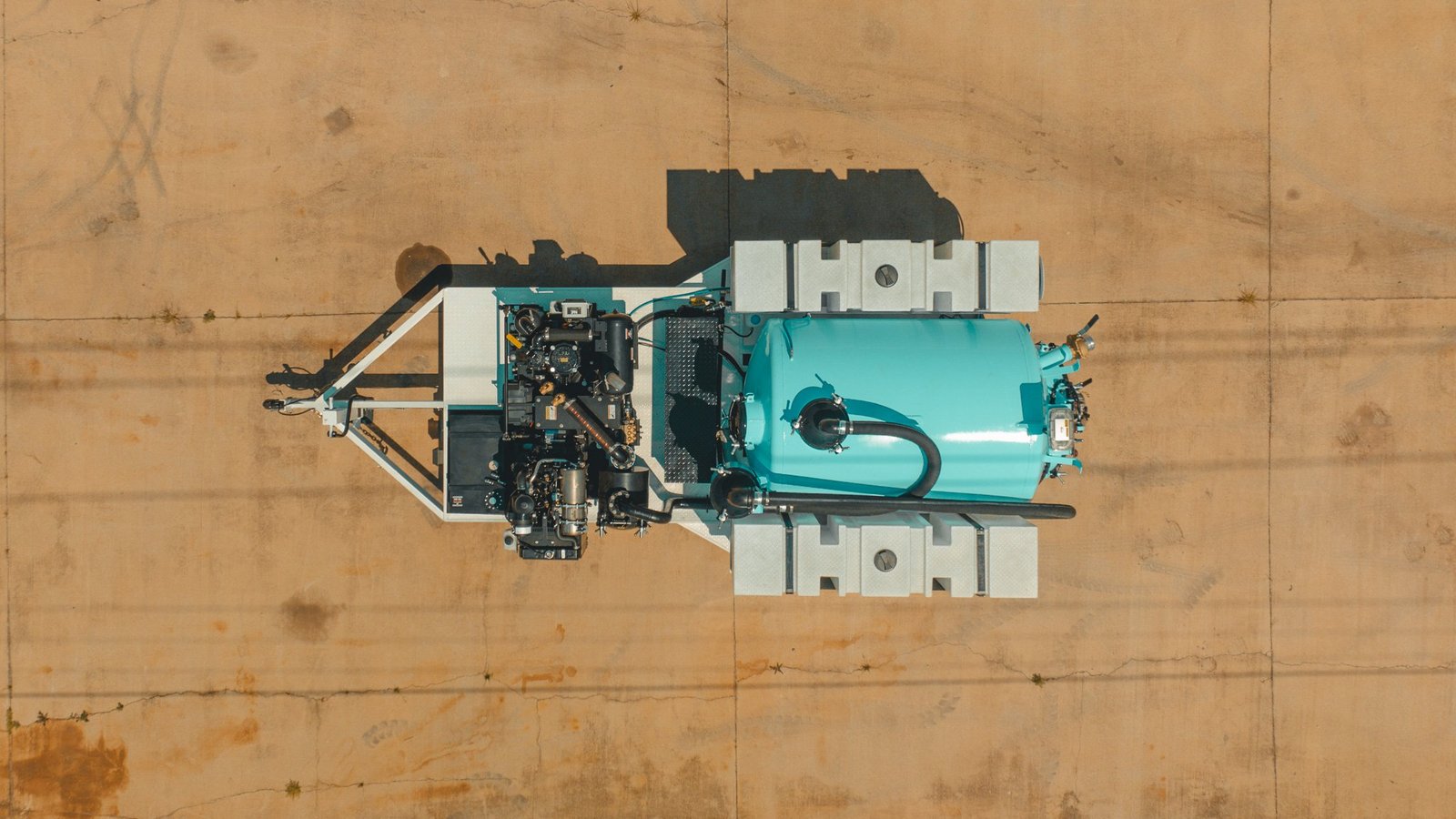
A hydrovac trailer delivers the same core excavation capability in a towable package that pairs with your existing fleet vehicles. For contractors asking "what is a hydrovac trailer and can it do real work?" — the answer is yes. A quality hydrovac trailer like the BossVac BV-500 or BV-1000 includes a 4,000 PSI water system, 400-gallon water tank, 800-gallon spoil tank, an exclusive tri-lobe vacuum blower, and a Tier 4 diesel engine — the same technology found in hydro excavation equipment costing three to five times as much.
HYDROVAC TRUCK
- Self-propelled — no tow vehicle needed
- Larger water and debris tank capacity
- CDL required in virtually all states
- Higher insurance and maintenance costs
- 8 to 18 month manufacturer waitlists
- $300,000 to $600,000+ purchase price
- More difficult to store and maneuver on tight sites
BOSSVAC HYDROVAC TRAILER
- Tow with existing fleet truck — no dedicated vehicle
- 4,000 PSI water system, 500 or 1,000 CFM vacuum
- No CDL required in most states
- Lower insurance, fuel, and maintenance costs
- In stock — ships this week from Oklahoma City
- Direct manufacturer pricing — no dealer markup
- Compact footprint for tight residential and urban sites
For contractors evaluating what is hydrovac equipment worth investing in, the math favors trailers in most scenarios. A hydrovac trailer at direct manufacturer pricing allows you to add hydrovac excavation capability to your operation immediately — without the massive financial commitment, CDL requirements, or year-long wait that hydrovac trucks demand. Many contractors start with a mini hydrovac for sale or standard hydrovac trailer and scale from there as revenue from hydrovac jobs grows.
HYDROVAC EXCAVATION COST
Hydrovac excavation cost is one of the most searched topics by contractors researching the technology. The cost structure depends entirely on whether you are hiring a hydrovac service, renting equipment, or owning your own unit.
HIRING A HYDROVAC SERVICE
Hiring a third-party hydrovac service typically costs $150 to $350 per hour, depending on your market, the size of the job, and equipment availability. For utility locating and potholing work, many services charge $2 to $6 per linear foot. Mobilization fees of $200 to $500 are common on top of hourly rates. The major downside of hiring out is scheduling — hydrovac services are in high demand, and you are at the mercy of their availability. Missed scheduling windows mean delayed projects and lost revenue.
RENTING HYDROVAC EQUIPMENT
Hydrovac truck rentals run $2,000 to $5,000 per week, depending on the unit size and rental market. Daily rates for smaller units range from $500 to $1,200. Rental makes sense for occasional, one-off projects. But the costs add up fast — eight weeks of rental equals $16,000 to $40,000, which is a significant percentage of what it would cost to own a BossVac hydrovac trailer outright.
OWNING YOUR OWN HYDROVAC EQUIPMENT
Equipment ownership eliminates recurring hydrovac excavation cost entirely. A BossVac hydrovac trailer is a one-time capital investment at direct manufacturer pricing. If you charge $200 per hour for hydrovac services (a conservative rate in most markets), the trailer pays for itself in approximately 400 billable hours — which many contractors reach within their first six to nine months. Ownership gives you scheduling control, eliminates subcontractor markups, and opens a new revenue stream that compounds every month you operate.
WHAT AFFECTS HYDROVAC EXCAVATION COST?
- Soil conditions — Clay and rocky soil take longer to excavate than loose sand or loam, increasing hourly cost
- Depth of excavation — Deeper digs require more water, more vacuum time, and more frequent tank dumps
- Access and site conditions — Tight urban sites and congested utility corridors require more careful, slower work
- Water supply — Remote sites without hydrant access may require water hauling, adding to project cost
- Disposal requirements — Some municipalities require slurry disposal at licensed facilities, adding transportation and tipping fees
- Season and weather — Winter work in frozen ground requires heated water systems and typically takes longer
For contractors who run hydrovac jobs more than two to three times per month, the hydrovac excavation cost equation strongly favors ownership. And with BossVac trailers in stock at direct manufacturer pricing — no waitlist, ships within the week — the path from "researching what is hydrovac excavation" to "billing for hydrovac services" is measured in days, not months.
READY TO OWN YOUR OWN HYDROVAC?
You now know what is hydrovac excavation, how it works, what it costs, and why contractors across the country are adding hydrovac capability to their operations. The only question left is whether you want to keep paying someone else to do the digging — or start billing for it yourself. BossVac hydrovac trailers are in stock, available at direct manufacturer pricing, and ship this week from Oklahoma City to all 48 continental states. No waitlist. No CDL. No excuses.
HYDROVAC FAQ
Hydrovac excavation is a non-destructive digging method that uses pressurized water to break up soil and a powerful vacuum system to extract the resulting slurry into a debris tank. It is the safest and most precise excavation method available, used by contractors for potholing, utility locating, directional drilling support, and pipeline work. Hydrovac eliminates the risk of underground utility damage caused by mechanical excavation methods like backhoes and trenchers.
Hydrovac excavation works in three steps. Pressurized water is directed at the ground to loosen and liquefy the soil. A high-powered vacuum simultaneously extracts the slurry through a large hose. The slurry is deposited into a debris tank for later disposal. This process allows operators to excavate with surgical precision around buried utilities without risk of mechanical damage.
A hydrovac truck is a self-contained unit built on a commercial truck chassis, typically costing $300,000 or more and requiring a CDL. A hydrovac trailer is a towable unit that pairs with your existing fleet vehicle, costs a fraction of the price, and in most states does not require a CDL. BossVac hydrovac trailers deliver the same core excavation capability at a fraction of the cost with lower operating overhead.
Hydrovac excavation cost varies by method. Hiring a service runs $150 to $350 per hour. Renting a hydrovac truck costs $2,000 to $5,000 per week. Owning a BossVac hydrovac trailer is a one-time investment that eliminates recurring rental and subcontractor costs. For contractors running hydrovac jobs regularly, ownership pays for itself within the first year.
Hydrovacing is used for potholing and daylighting underground utilities, directional drilling entry and exit pit excavation, pipeline exposure and repair access, cold weather excavation in frozen ground, boulder and rocky terrain removal, slot trenching for cable and fiber installation, and environmental cleanup. Any job requiring precise, non-destructive digging near buried infrastructure is a candidate for hydrovacing.
Yes. Hydrovac excavation is the safest method for working around underground utilities. Because it uses water pressure rather than mechanical force, hydrovac cannot cut, crush, or puncture buried gas lines, electrical conduits, fiber optic cables, or water mains. This is why utility companies, municipalities, and pipeline operators require hydrovac excavation for potholing and utility locating on their projects.
Yes. Hydrovac excavation is one of the few methods effective on frozen ground. Many hydrovac units include heated water systems that allow the pressurized water to cut through frost and frozen soil that would stop or slow mechanical digging. Cold weather hydrovac excavation is common in northern states where ground freeze depths can exceed four feet.
In most states, a hydrovac trailer does not require a CDL when towed by a standard pickup truck or fleet vehicle, depending on the combined gross vehicle weight rating. The BossVac BV-500 has a GVWR of 14,000 lbs — well within the range most states allow without a CDL. This is a major advantage over hydrovac trucks, which almost always require a CDL. Always check your specific state regulations.
A hydrovac truck is a large commercial vehicle with an integrated high-pressure water system, vacuum pump, water tank, and debris tank built onto a truck chassis. They typically cost $300,000 to $600,000, require a CDL, and currently have manufacturer waitlists of 8 to 18 months. For contractors who do not need a full truck, a hydrovac trailer for sale from BossVac offers the same capability at direct manufacturer pricing with no waitlist.
If you run hydrovac jobs more than two to three times per month, owning is almost always more cost-effective. Hydrovac truck rentals cost $2,000 to $5,000 per week. At those rates, a BossVac hydrovac trailer pays for itself in just months of use. Ownership eliminates scheduling conflicts and lets you take jobs on short notice. For occasional one-off projects, renting may still make sense.
CHECK AVAILABILITY TODAY
TWO MODELS — BV-500 & BV-1000
Choose the BV-500 at 500 CFM or the BV-1000 flagship at 1,000 CFM — both available for immediate delivery. Every hydrovac trailer is fully customizable from the factory in Oklahoma City.
DIRECT MANUFACTURER PRICING
Now that you know what is hydrovac excavation, you know the entry point does not have to be six figures. BossVac trailers deliver professional hydrovac capability at a price that makes ownership accessible for any contractor.
SHIPS TO ALL 48 STATES — NO WAITLIST
1 to 3 day delivery to most markets from Oklahoma City. While other manufacturers have 8 to 18 month waitlists, BossVac ships the week you order. Go from learning what is hydrovac to billing for it in days.